






.webp?width=100&height=76&name=Layer_1%20(4).webp)
-1.webp?width=100&height=76&name=Layer_1%20(1)-1.webp)



 March 23-26, 2026
 New York City
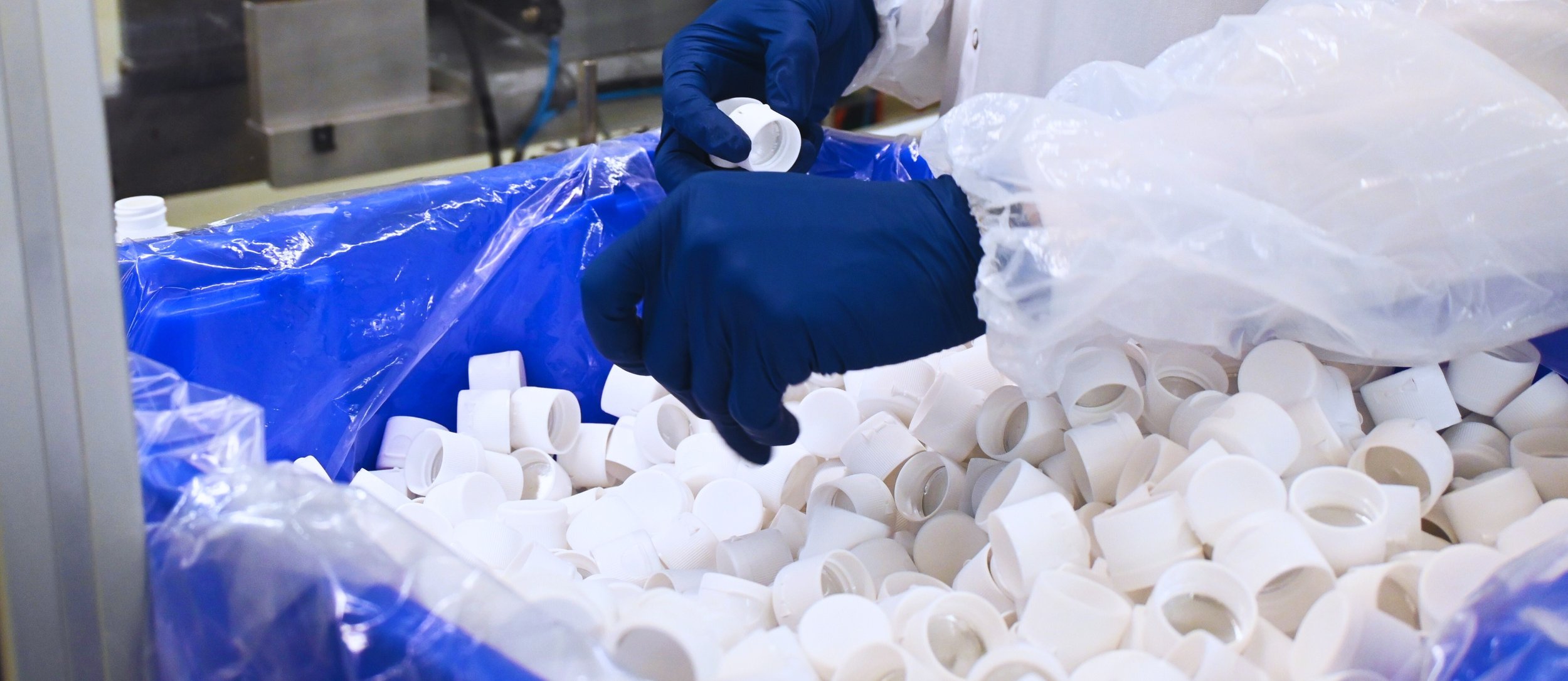
Simplified supply chain integration
By integrating primary and secondary packaging within our manufacturing and quality ecosystem, clients benefit from reduced handoffs, faster decision‑making, and improved alignment between formulation, packaging, and regulatory requirements.

Quality approach
Robust quality oversight across primary and secondary packaging secures labeling accuracy, component traceability, and complete batch records to support compliant and efficient product release.

Material Selection
Packaging materials are selected based on formulation characteristics and container–closure compatibility to maintain product integrity through packaging, storage, and handling.
Compliant Sourcing
All packaging components are sourced through qualified, GMP‑compliant suppliers to ensure consistent quality, regulatory alignment, and supply continuity.

Packaging Assessment
Packaging solutions are assessed against product sensitivity, with appropriate barrier strategies recommended to control oxygen, moisture, and light exposure when required.

Supplier Evaluation
Supplier selection prioritizes partners with demonstrated commitments to sustainability, ethical practices, and sound governance within the pharmaceutical supply chain.
Primary packaging
Packaging formats are selected based on product characteristics, stability requirements, patient usability, and regulatory compliance.
Bottles
Liquid and semi‑solid products are packed in plastic or glass bottles. Bottle selection is aligned with market requirements, formulation characteristics, and closure system needs.

Glass Vials
Glass vials are used for non-sterile liquid formulations requiring enhanced barrier protection and secure container‑closure performance.
Airless Pumps
Airless pump systems are used for formulations sensitive to air exposure, supporting accurate dosing and hygienic dispensing of creams, gels, and lotions.

Tubes
We package semi‑solid formulations in pharmaceutical‑grade laminate, aluminum, or metal tubes. Tubes are selected based on product characteristics and market needs.
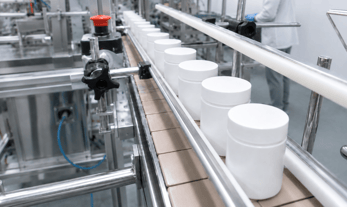
Jars
Pharmaceutical jars are used for topical formulations requiring direct access while maintaining product protection.
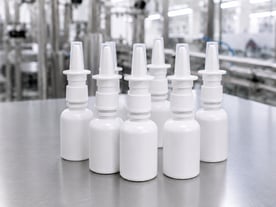
Metered-dose sprays
Metered‑dose spray systems support accurate administration for nasal or topical applications where dosing precision is critical.
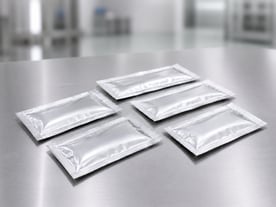
Unit dose sachets
Single‑ and dual‑dose sachets are used to package liquids and creams in pre‑measured units. This format supports precise dosing, limits contamination risk, and improves patient convenience.
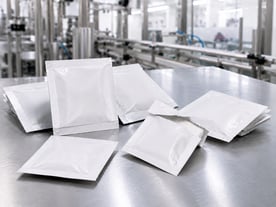
Towelettes
Towelettes and wipes are packaged as single‑use, application‑based delivery systems for topical treatments.

Stick packs
Stick packs provide a compact, single‑dose packaging format for liquid formulations. They support portability and efficient material usage for patient‑centric delivery.
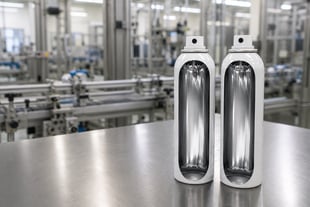
Bag-on-valve Systems
Bag‑on‑Valve systems isolate the formulation within a sealed, multi‑layer bag inside a pressurized container. This configuration protects the product from propellants and air exposure while enabling controlled, consistent dispensing.
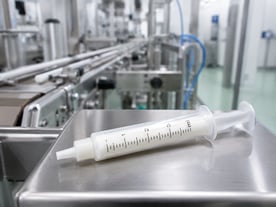
Syringe applicators
Syringe applicators are used to deliver precise volumes of medication for oral, topical, or non-sterile internal use. Specialized tips and closure systems support accurate administration.
Secondary Packaging
Secondary packaging operations ensure product identification and protection, and regulatory compliance.
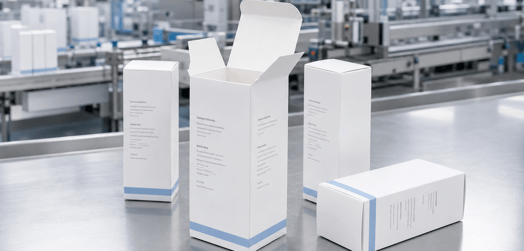
Labeling, Tamper-evident sealing and Cartoning
Secondary packaging, such as labeling, tamper‑evident sealing, and cartoning, is managed in accordance with GMP and regulatory agencies' requirements. Label accuracy, batch traceability, and tamper‑evidence are verified to support compliant batch release and market distribution.
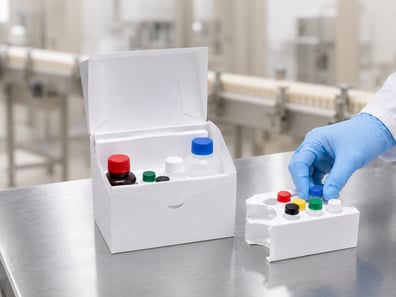
Kit Assembly
Kit assembly supports complex, multi‑component products by consolidating primary containers, applicators, inserts, and instructions into a single, patient‑ready configuration. Assembly processes are defined and executed according to clinical or commercial requirements.
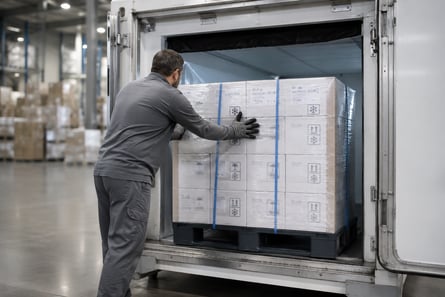
Cold-Chain Packaging
Cold‑chain secondary packaging workflows are defined to protect temperature‑sensitive products throughout storage and shipping. Controls are in place to mitigate excursion risks that could impact product stability, efficacy, or safety.

Custom Packaging Formats
Secondary packaging formats are selected to meet logistical, regulatory, and market‑specific requirements. Solutions are selected based on distribution conditions, handling constraints, and compliance requirements.