

Release Testing

GMP release testing aligned with approved specifications for confident batch release.

Drug Manufacturing banner

Confident batch release testing

Testing spans raw materials, packaging components, and finished products in support of batch release.

Groupe PARIMA performs release testing starting with raw materials and packaging components. Incoming testing confirms identity and quality attributes to support material use and reliable downstream processing.

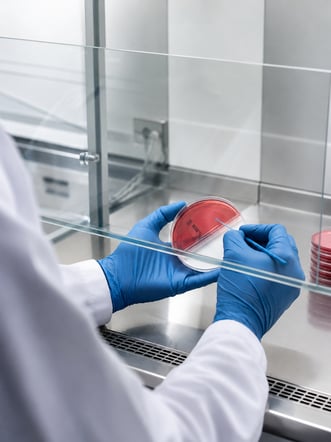
Finished product release is supported by physicochemical and microbiological testing conducted in our internal GMP laboratories using validated or qualified methods aligned with approved specifications.

Release activities

Release testing activities span materials, components, finished products, and stability to support batches across development and commercial stages.

Card 01

API and excipients testing

Active pharmaceutical ingredients and excipients are tested to confirm identity and critical quality attributes prior to use in manufacturing.

Card 02

Packaging components

Primary packaging components are evaluated to confirm identity and defined attributes relevant to product protection and compatibility.
Card 03

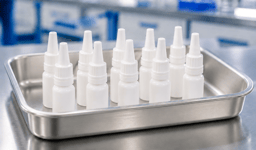
Finished drug products

Finished products are tested using physicochemical and microbiologically validated methods aligned with release specifications.
Card 04

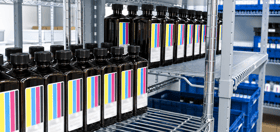
stability testing for shelf life

Stability testing supports release and shelf‑life claims by monitoring product attributes and trends over defined storage conditions.

Chemistry Testing Capabilities

Our in-house equipment supports stage-appropriate method development and routine testing across chromatography, particle sizing, physical testing, and dissolution.

01
Card 01

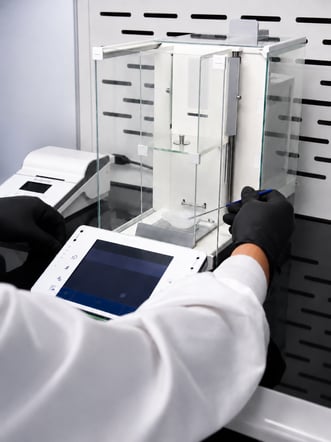
Potency determination

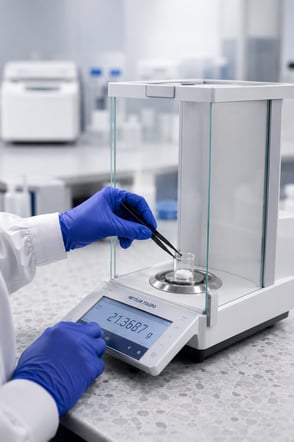
Quantitative analysis to confirm active ingredient concentration and ensure therapeutic efficacy.

02
Card 02

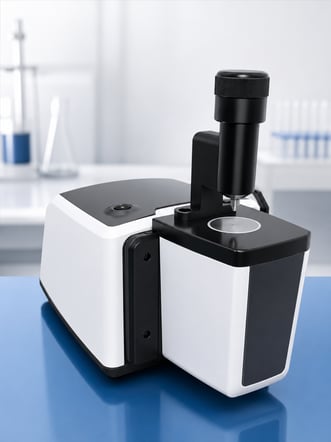
FTIR identification

Fourier-transform infrared spectroscopy for rapid and reliable compound identification.

03
Card 03

Impurity profiling 

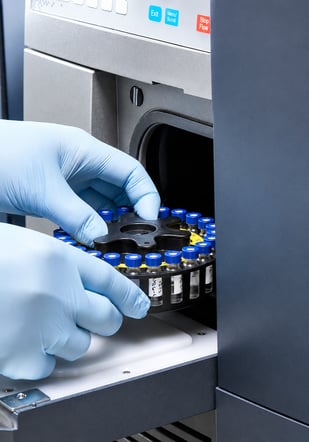
Detection and quantification of impurities and degradation products to support product safety and shelf-life evaluation.

04
Card 04

Residual solvent analysis

Ensures residual solvents are within safe, regulatory-approved limits, supporting compliance and patient safety.

05
Card 05

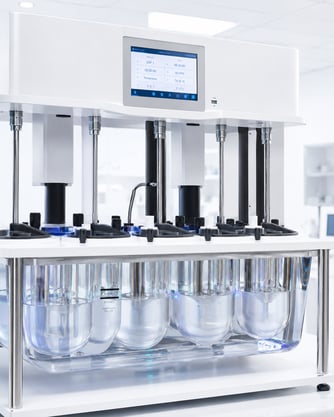
Dissolution performance 

Evaluates drug release profiles to predict bioavailability and support product performance claims.

06
Card 06

Analytical testing

Analytical testing includes viscosity, pH, moisture, particle and droplet size, density, and deliverable volume to support formulation performance.

Release testing at Groupe PARIMA supports predictable batch disposition through controlled, specification‑driven testing.

Microbiology Testing Capabilities

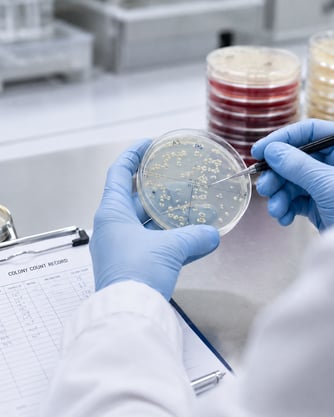
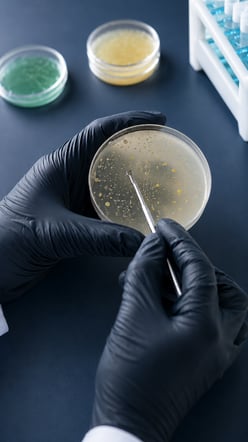
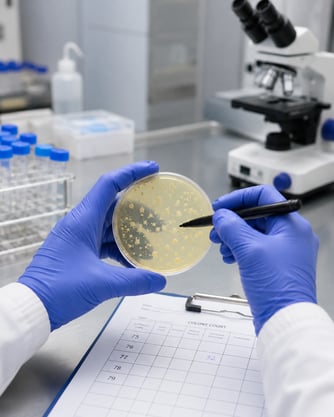
Comprehensive microbiology testing to support product safety, quality control, and compliance with USP and EP requirements.

01
Card 01

Aerobic Microbial Enumeration

Measure aerobic bacteria using validated method in accordance with USP <61> and EP 2.6.12 to assess overall microbial load.

02
Card 02

Fungal Microbial Enumeration

Quantify yeast and mold levels using a validated analytical method in accordance with USP <61> and EP 2.6.12 to ensure product safety.

03
Card 03

Microbial Suitability Testing

Screen for objectionable microorganisms as defined in USP <62>, USP <60>, and EP 2.6.13, based on dosage form and intended use.

04
Card 04

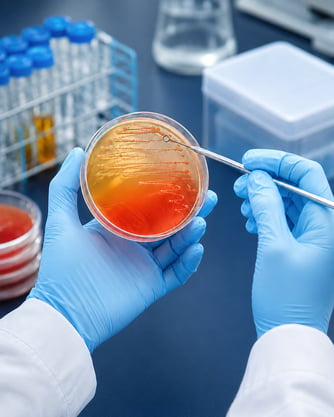
Microbial Identification Testing

Identify microbial isolates to support contamination investigations and corrective actions.

05
Card 05

Preservative Efficacy Testing

Confirm preservative system efficacy in multi-dose products in accordance with USP <51>.

Resources

Access technical insights and guidance to support informed decisions around release testing and analytical strategy.

Groupe PARIMA
How Drug Product Formulation Works: Topical, Oral, and Nasal Liquid and Semi-Solid Dosage Forms
Groupe PARIMA
How Early API Characterization Can Reduce Formulation and Scale-up Risks
Groupe PARIMA
Topical 101: A Guide to Complex Dermatology Formulation Development
Groupe PARIMA
How Drug Product Formulation Works: Topical, Oral, and Nasal Liquid and Semi-Solid Dosage Forms
Groupe PARIMA
How Early API Characterization Can Reduce Formulation and Scale-up Risks
Groupe PARIMA
Topical 101: A Guide to Complex Dermatology Formulation Development

Contact us

Discuss your project needs.

Connect with our team to review your release testing needs across materials, packaging components, and finished products.